Working with an exoskeleton: benefits, limitations, and adoption

Working with an exoskeleton: benefits, limitations, and adoption

Did you know that three out of five workers in Europe suffer from musculoskeletal disorders (MSDs)? These pains, often related to awkward postures or repetitive tasks, are the leading cause of work-related disability. To address this, exoskeletons—these wearable physical assistance devices—are increasingly being used. But what do they really bring? And how can we ensure they are properly adopted? A recent study conducted by Stéphanie Guillaume and Bérenger Le Tellier sheds light on these questions. (Read the full study)

What is an exoskeleton and why adopt it?

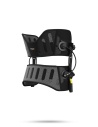
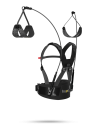
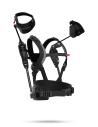
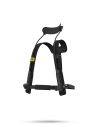
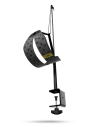
An exoskeleton is a structure worn by the body that reduces muscle load, improves posture, and reduces physical fatigue. Initially developed for medical or military applications, it is now finding its place in sectors such as logistics, construction, or agri-food.

The main objective: reduce exposure to risk factors for MSDs while allowing workers to continue their tasks efficiently.

The benefits revealed by the study

The study followed 30 exoskeleton users in different sectors. The results are encouraging:

  • Reduction in musculoskeletal pain: especially for the lower back and shoulders.
  • Improvement in postures: notable help for static positions or repetitive handling.
  • Sustainable use: 86% of participants continue to use their exoskeleton after several months.

These results show that exoskeletons can truly contribute to the physical well-being of workers.

Limits and challenges to consider

However, adoption is not without obstacles:

  • Physical discomfort: heat, sweating, difficult adjustment according to body shape.
  • Adaptation to tasks: certain movements or restricted environments may limit effectiveness.
  • Psychosocial factors: feeling of loss of autonomy, professional identity conflicts.

In other words, an exoskeleton does not solve all problems: it must be integrated intelligently and accompanied by appropriate follow-up.

How to encourage adoption

The study shows that the adoption of an exoskeleton depends as much on the technology as on the organization around the device:

ORGANIZATIONAL SUPPORT
_

with initial training and regular follow-up.

USER
INVOLVEMENT

Their feedback should guide the adaptation of the system.

COMMUNICATION AND CORPORATE CULTURE

Colleagues and managers must support the use to avoid resistance.

REALISTIC OBJECTIVES
_

Consider the exoskeleton as a tool for prevention, not just a means to increase productivity.

By combining these elements, the company maximizes the chances of a sustainable and beneficial adoption for everyone.

Exoskeletons represent a promising innovation for improving working conditions and preventing MSDs. But their success does not rely solely on technology: the human factor, organizational support, and change management are essential.

For employers and professionals, the challenge is clear: to integrate exoskeletons thoughtfully, with training, support, and continuous evaluation. Thus, this technology can truly transform the daily lives of workers while helping to preserve their health.

Contact one of our experts

Our teams are at your disposal to assess your needs and organize real-life tests to allow your employees to experience the benefits of exoskeletons in their work environment.

Contact one of our experts

Our teams are at your disposal to assess your needs and organize real-life tests to allow your employees to experience the benefits of Hapo exoskeletons in their work environment.