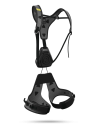
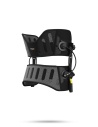
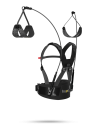
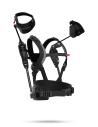
For a long time, the evaluation of exoskeletons was mainly based on analyses conducted in the laboratory, such as electromyography (EMG), requiring specialized equipment to measure biomechanical constraints and muscle activity.
These methods remain essential for research and development, but they are not always suitable for field use (devices take longer to set up, are more expensive, and require ergonomic expertise).
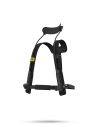
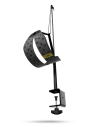
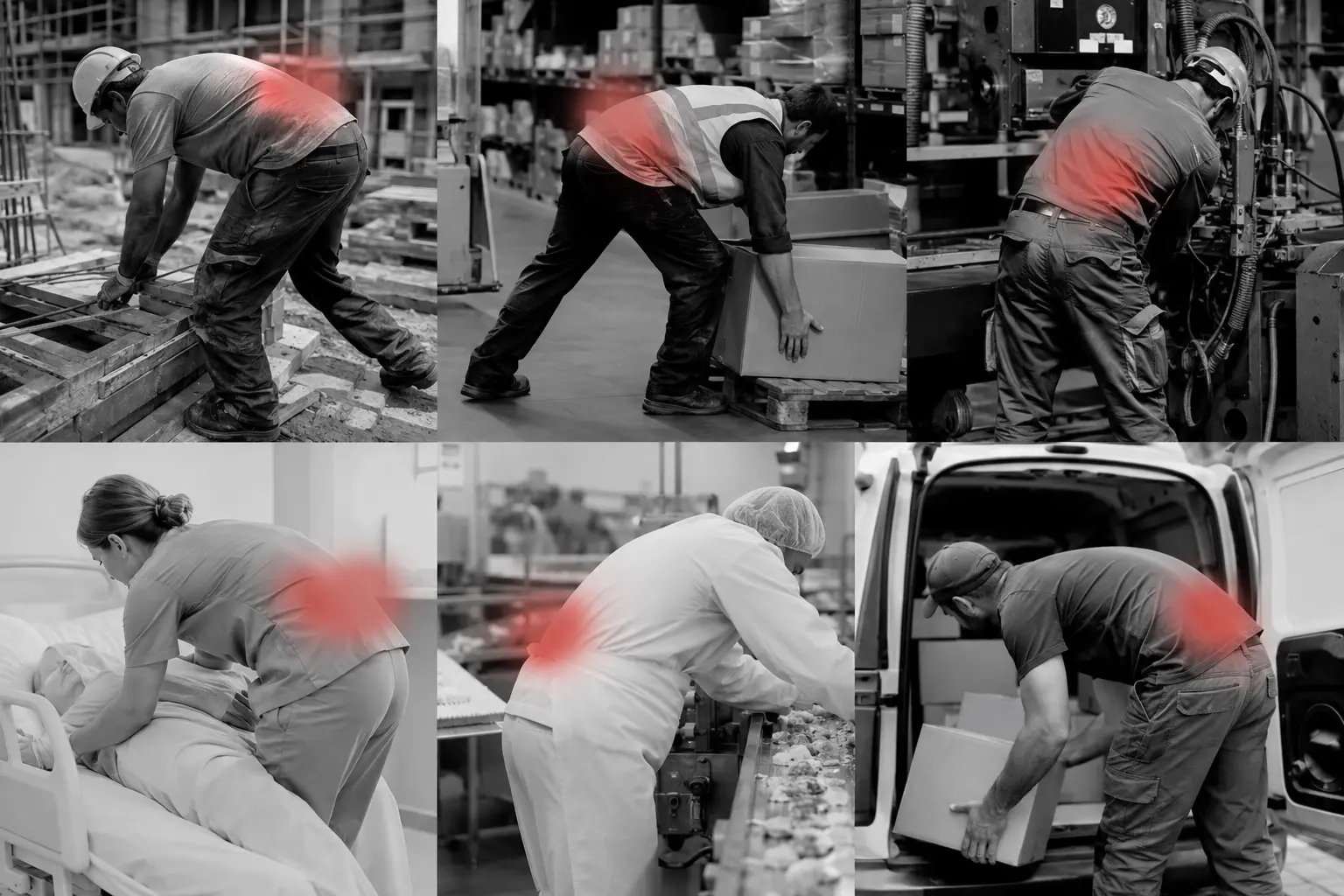
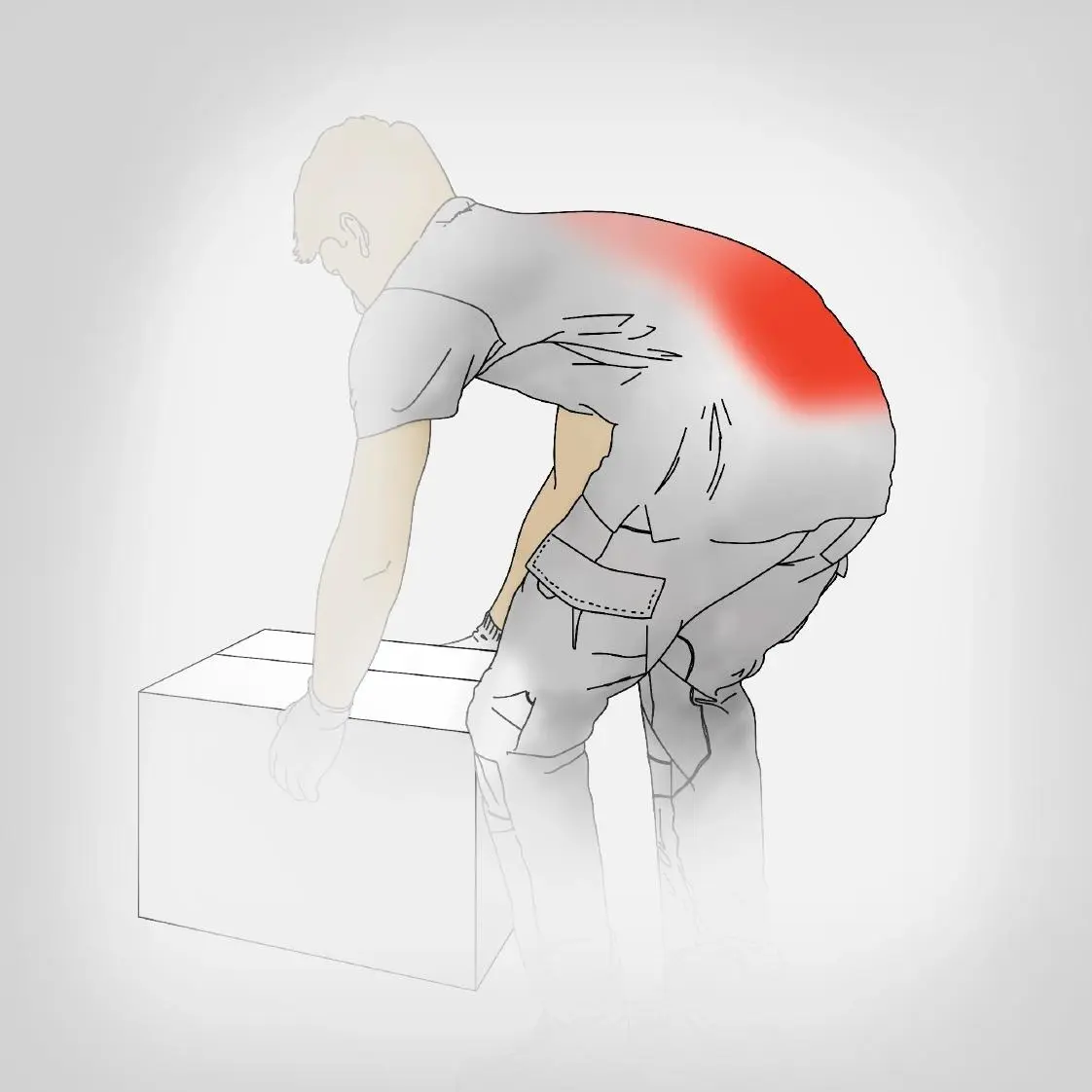
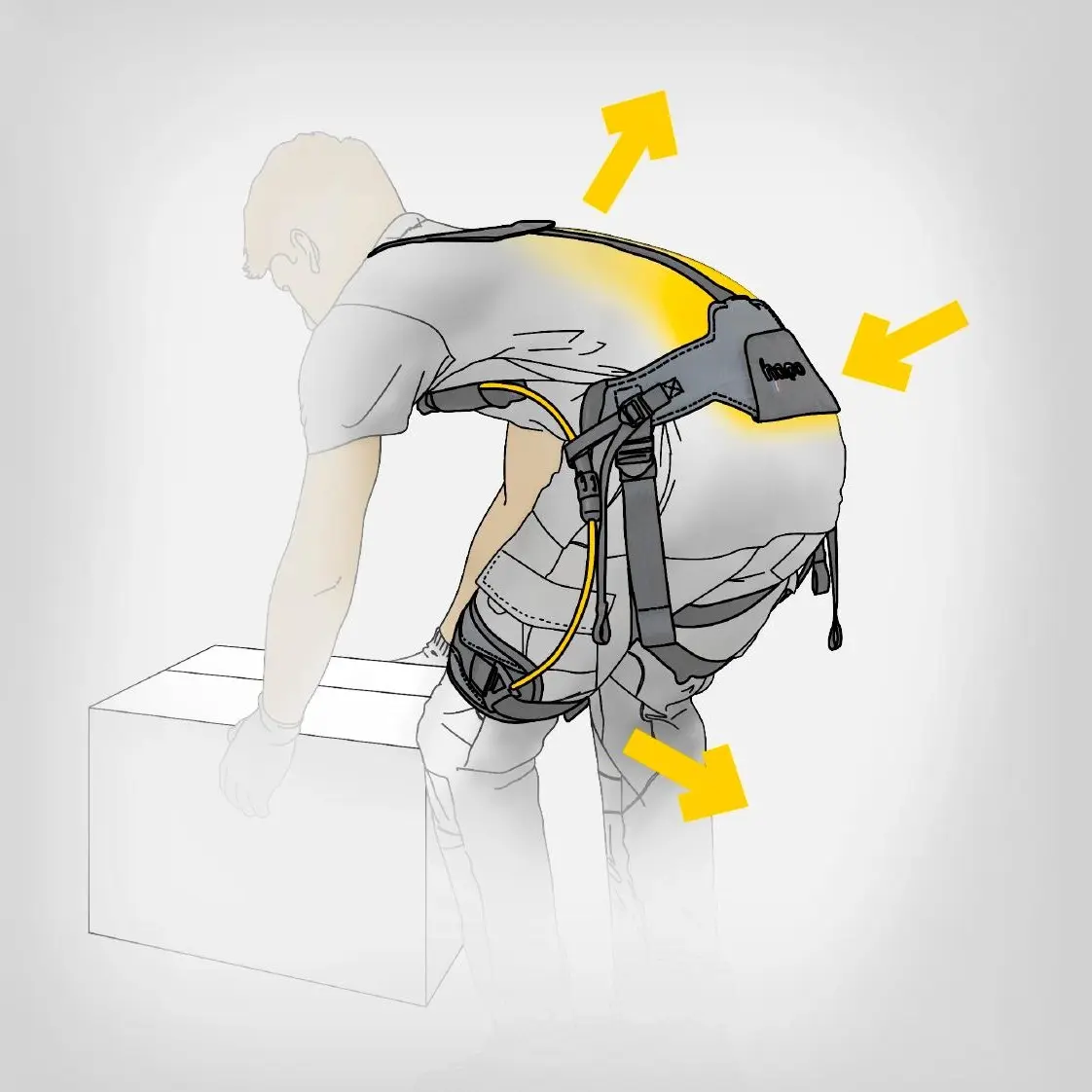
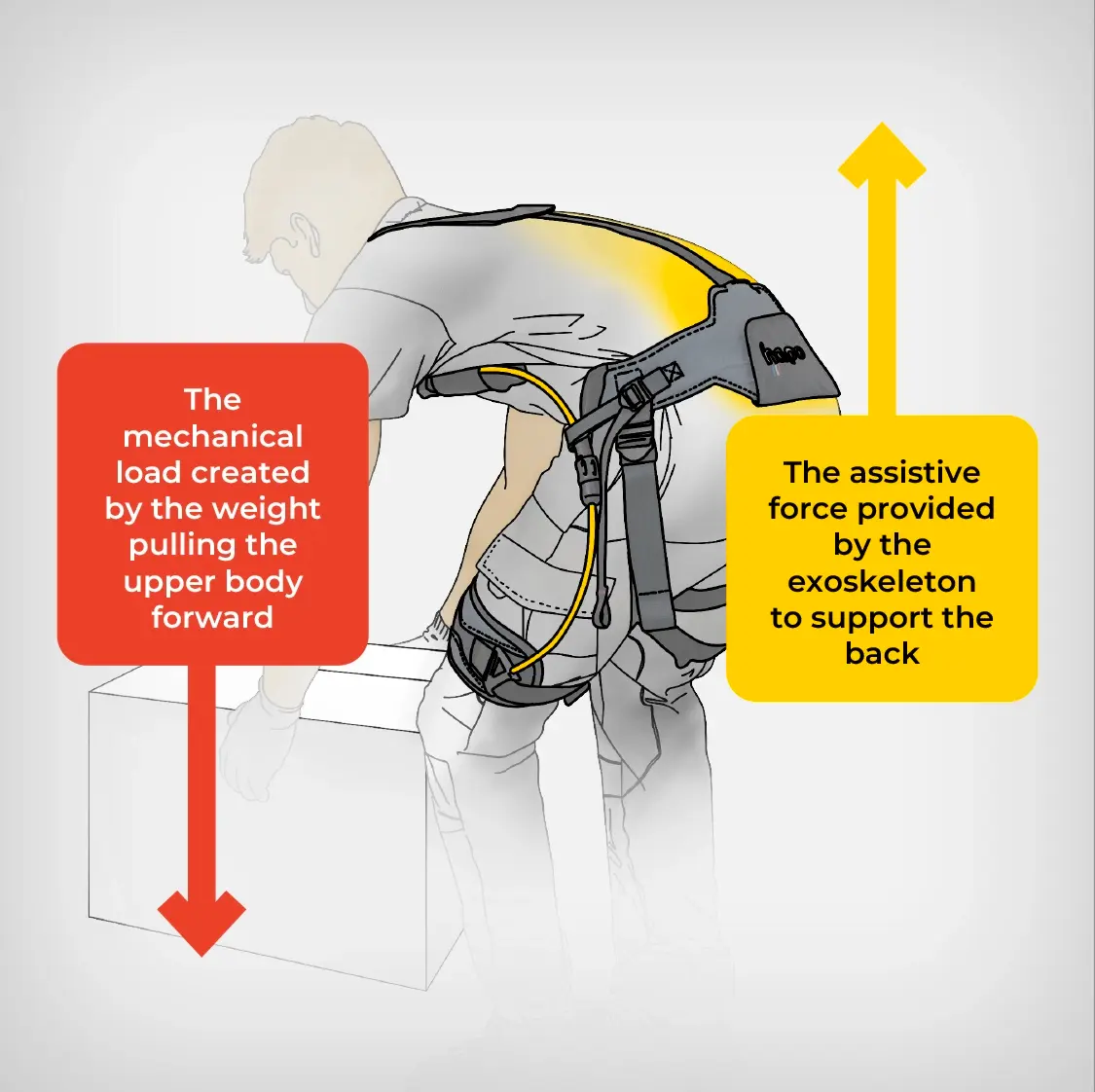
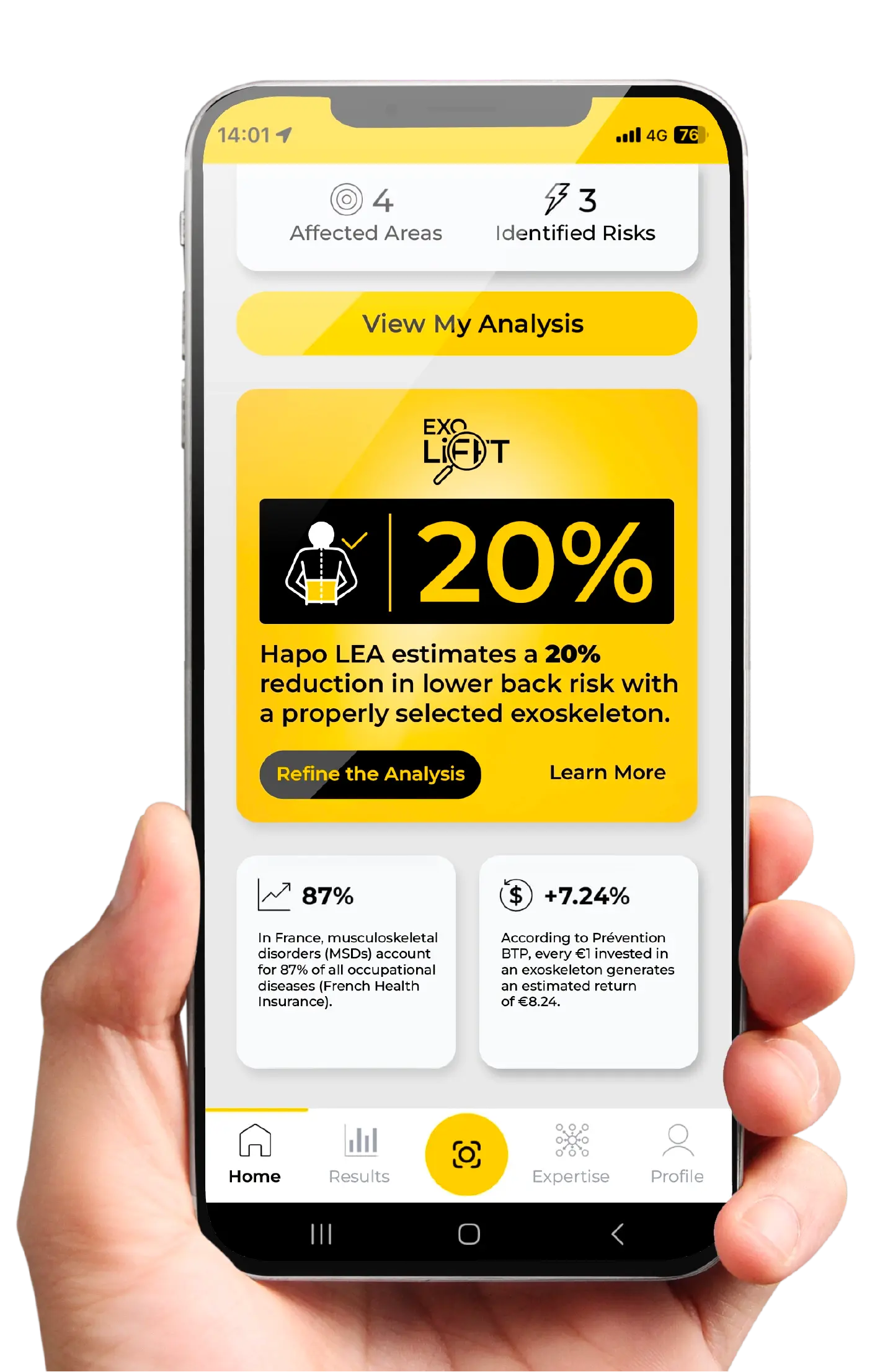
With the Exo-LiFFT principle integrated into Hapo LEA, it is possible to quickly obtain an estimate of the impact of a Hapo exoskeleton on lumbar constraints and to compare different work situations with trunk flexion (with or without load).
This approach also allows for going beyond the simple user feedback. By relying on an objective indicator, companies can more accurately assess the benefits of an exoskeleton, support their decisions, and adapt their prevention actions to the realities of the field.