How to measure the effectiveness of an exoskeleton? A closer look at the LiFFT method and its Exo-LiFFT variant

How to measure the effectiveness of an exoskeleton? A closer look at the LiFFT method and its Exo-LiFFT variant

When a company equips its employees with an exoskeleton, the initial feedback is often encouraging. Users mention a reduction in fatigue or improved comfort during certain tasks. These feelings are important, but they alone do not allow for measuring the real impact of a physical assistance device.

Before investing in an exoskeleton, several questions naturally arise. Does it really reduce the exerted efforts? Which workstations will benefit the most? Is the level of assistance suitable for the daily tasks performed?

To answer these questions, researchers have developed the Exo-LiFFT method, derived from LiFFT. Used today in the field of ergonomics, they allow for estimating the constraints exerted on the lumbar region during repeated handling, with or without an exoskeleton.

LiFFT: a method that measures the accumulation of stresses

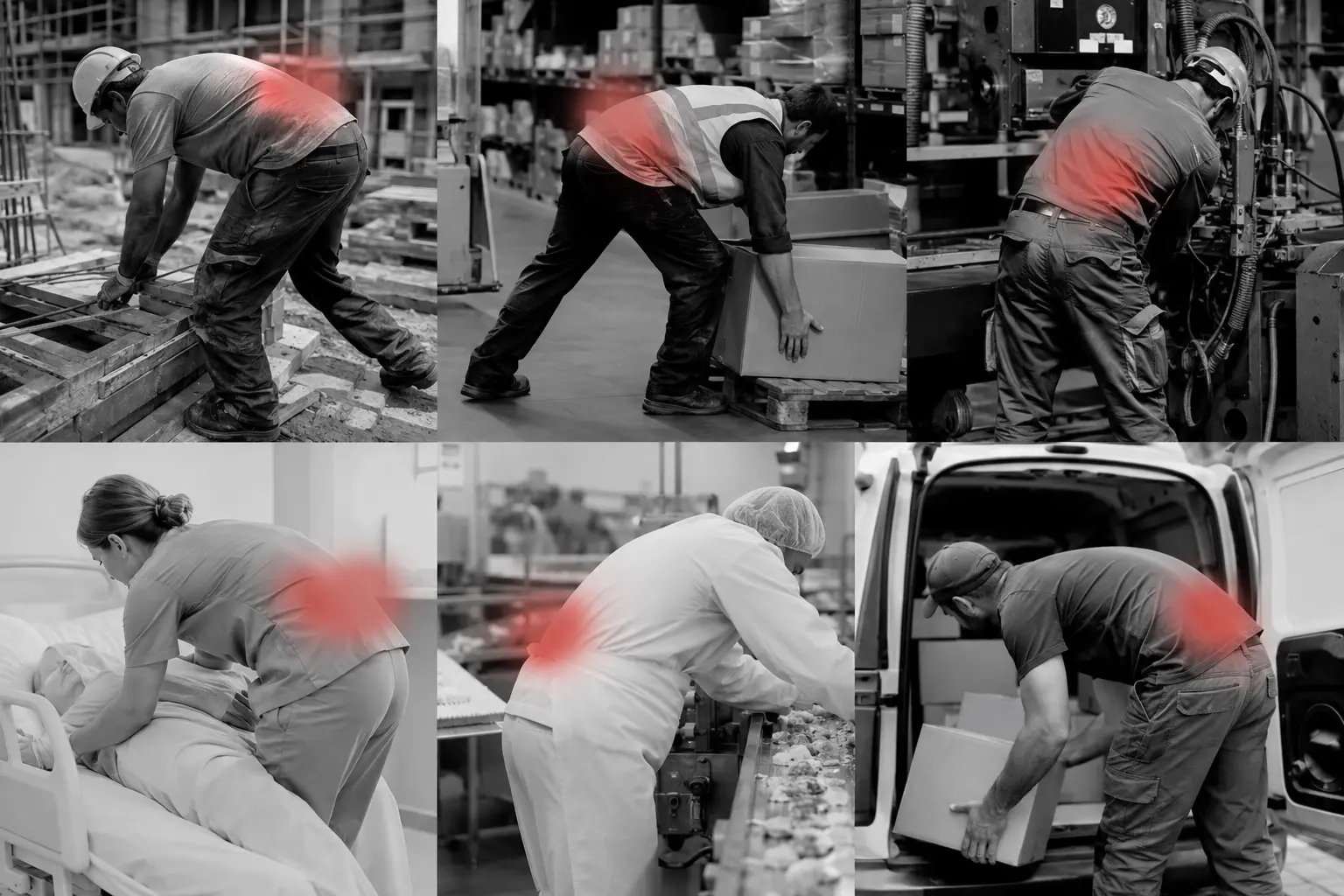
Published and validated in a scientific study in 2017, the LiFFT method (Lifting Fatigue Failure Tool) was developed to estimate the risk of lower back disorders during repeated handling operations. Its principle is based on a relatively intuitive observation. Lifting a load once rarely causes an injury. However, repeating the same movement several hundred or several thousand times over the days leads to a progressive accumulation of stress on the back tissues. Its objective is to evaluate not only the intensity of a lift but also the effect of its repetition throughout a workday. One of its main advantages is its simplicity.

Three pieces of information are sufficient to make an estimate:

  • the weight of the load handled
  • the distance between the load and the lower back
  • the number of lifts performed

Based on this data, LiFFT calculates an indicator called cumulative damage, which represents the theoretical wear and tear experienced by lumbar tissues. The higher this value, the greater the risk of developing a back disorder. This method has been validated using several industrial databases comprising several hundred workstations and has shown a strong correlation with lumbar disorders observed in the field.

What is the Exo-LiFFT?

Since exoskeletons are designed to reduce the strain on the back, researchers from Vanderbilt University in the United States have adapted the LiFFT method to take this assistance into account in risk assessment:

The principle

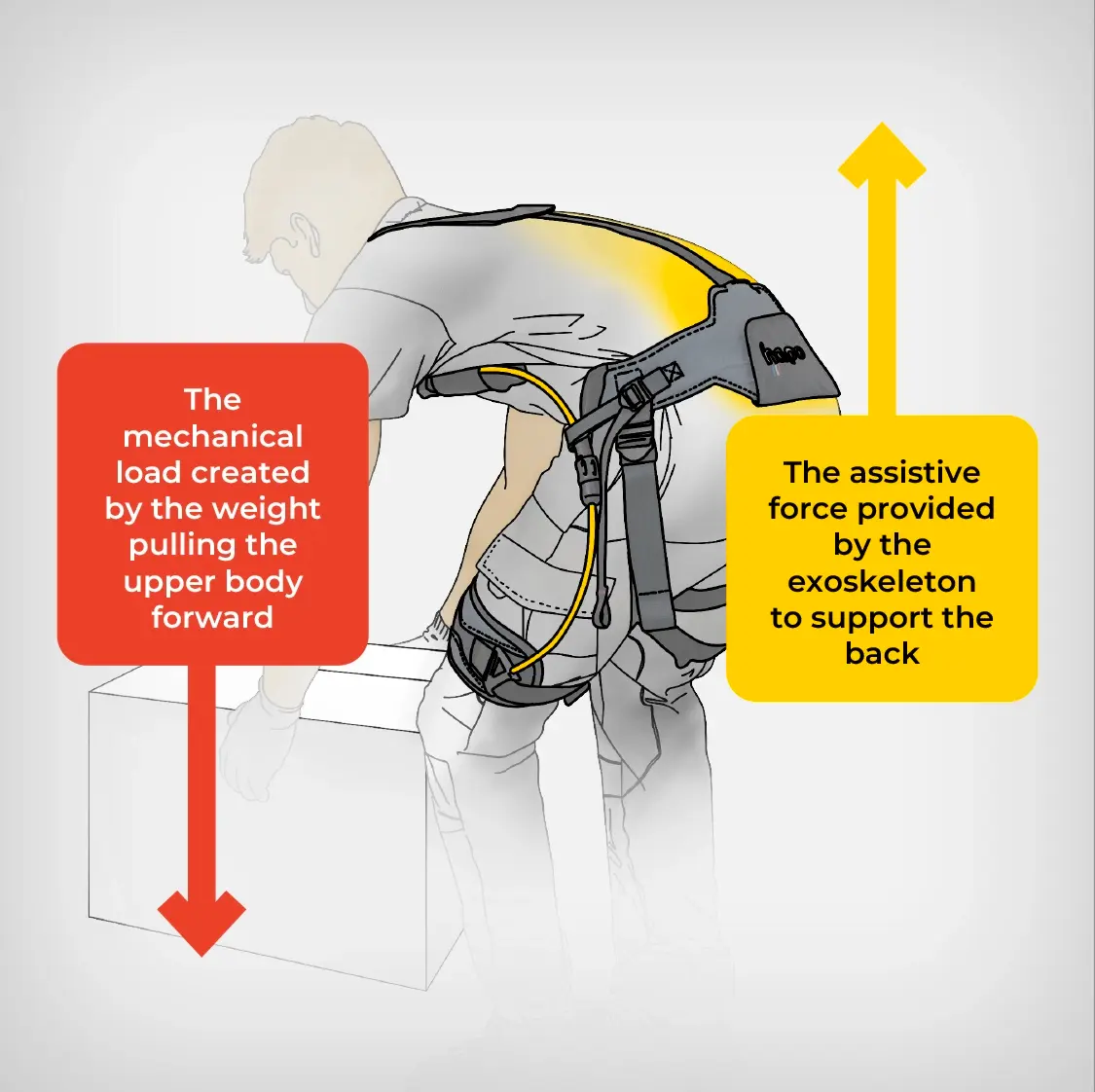
Exo-LiFFT estimates how a lumbar support exoskeleton can reduce the risk of developing musculoskeletal disorders (MSDs) in the lower back during work.

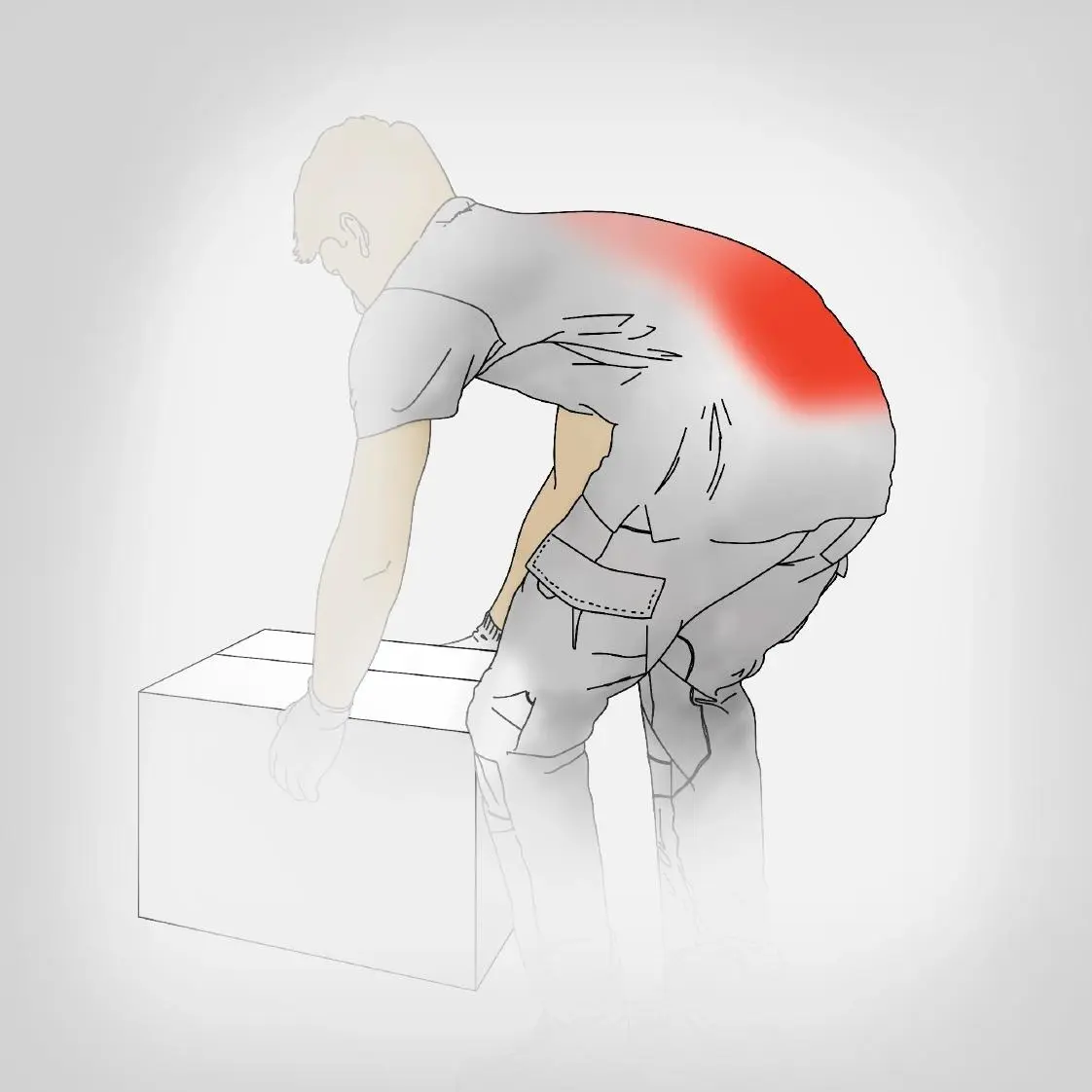
WITHOUT EXOSKELETON

. Significant load on the lower back
. Higher risk of MSDs

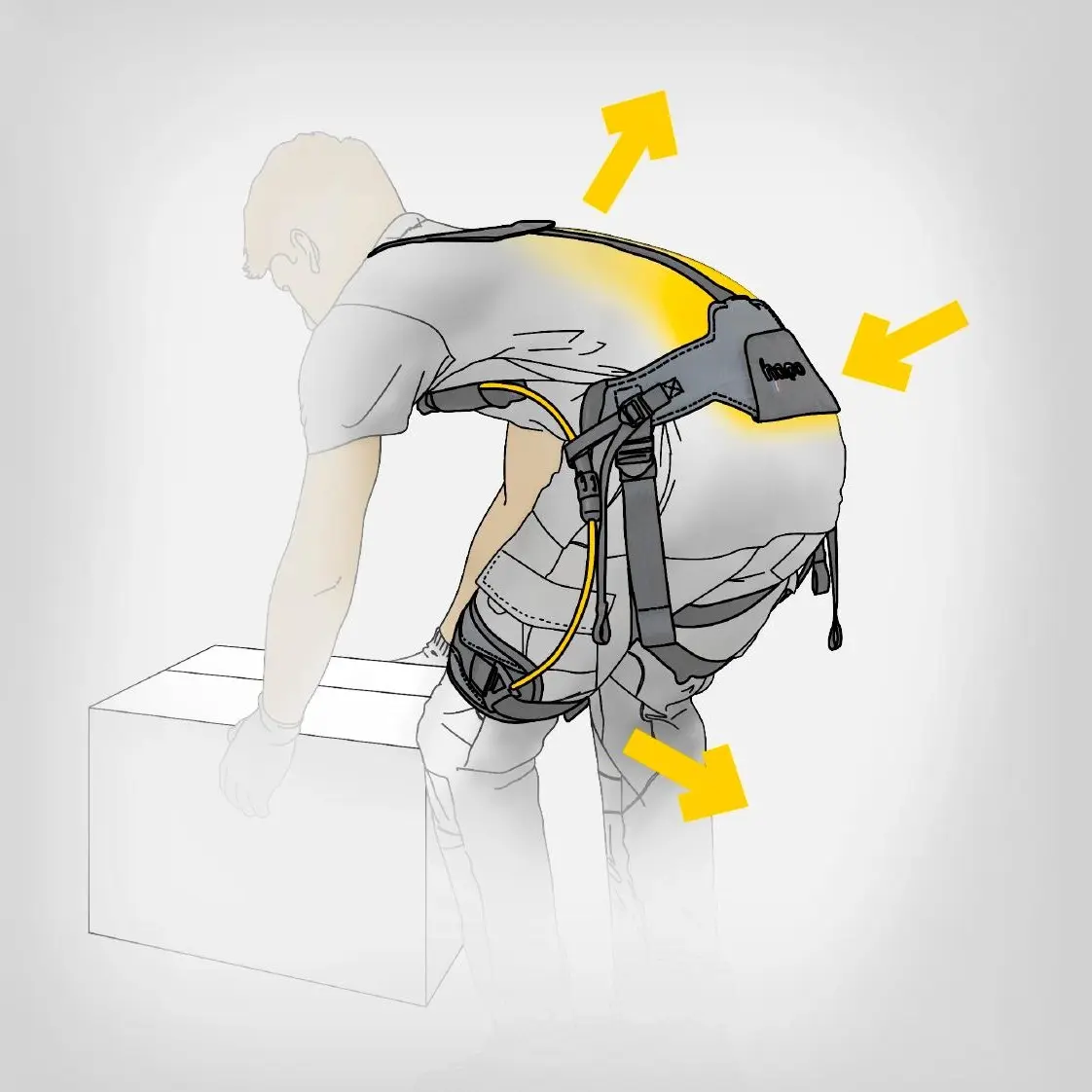
WITH EXOSKELETON

. Less load on the lower back
. Reduced risk of MSDs

How it works

Exo-LiFFT uses a biomechanical model that takes into account the strain on the back created by the load and the assistance provided by the exoskeleton.

Resulting stress on the lower back
= load stress - exoskeleton assistance

The lower the resulting stress, the lower the risk of injury.

Exo-LiFFT does not replace an ergonomic assessment in the field, but it helps you estimate the benefit provided by an exoskeleton.

Fast and simple

Economical
No expensive tests

Based on
scientific data

For safer workplaces

What is Hapo LEA?

Hapo LEA is our AI-based postural analysis application. From a simple video, it detects the position of different body segments, measures the angles of the neck, arms, forearms, and trunk, then calculates the RULA biomechanical scores, a reference method in ergonomics for assessing postural strain.

It allows for the quick identification of risky postures to help prevent musculoskeletal disorders.

Evolution of the Hapo LEA application and integration of Exo-LiFFT

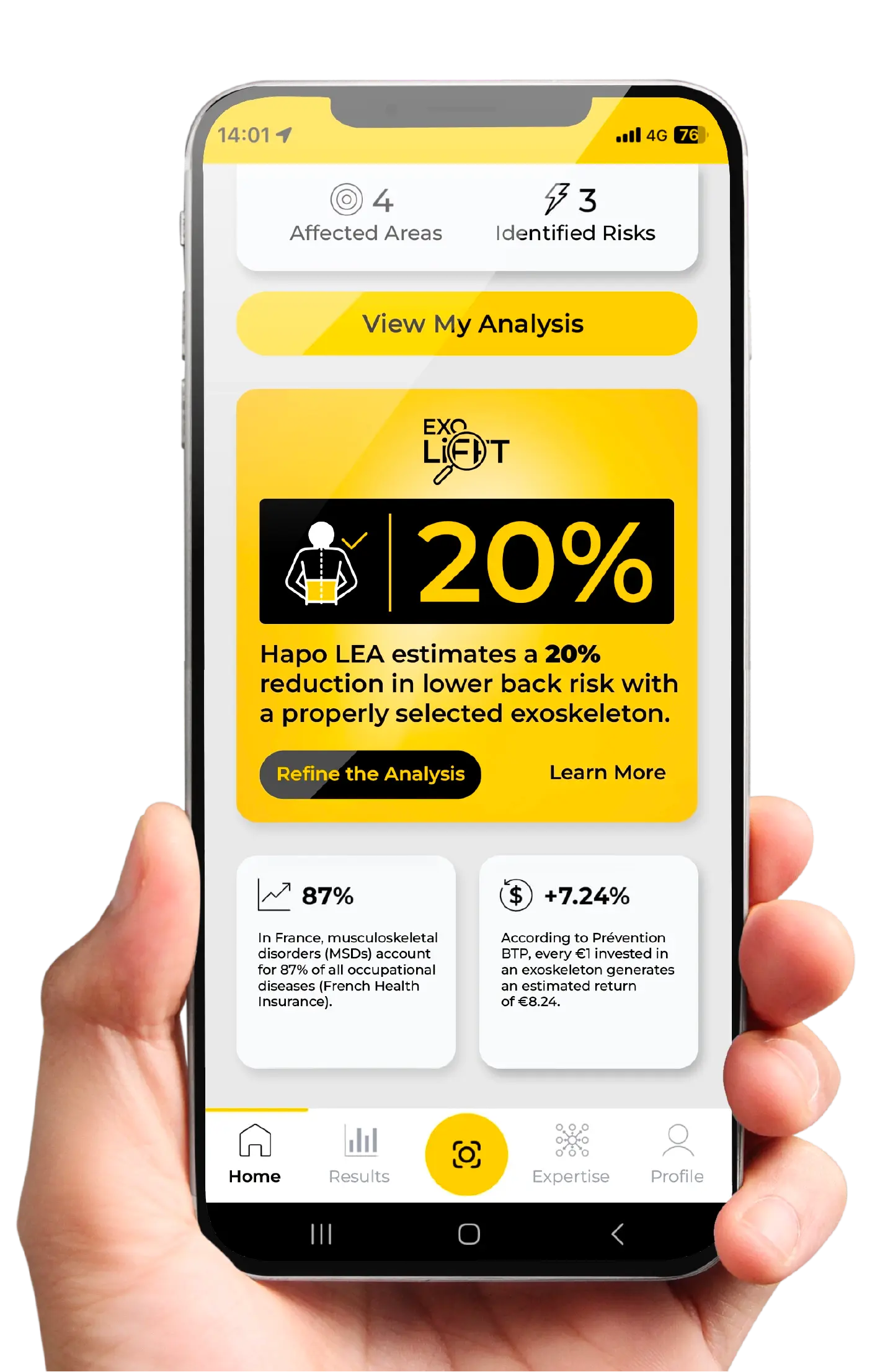
In order to go even further in the evaluation of work situations, Hapo LEA now integrates the Exo-LiFFT method. This development enhances the assessments carried out by the application by relying on a scientifically recognized method to estimate the effect of mechanical assistance.

Users thus benefit from an additional indicator to objectify their analyses.

Example of result obtained with Hapo LEA and Exo-LiFFT

A faster and more accessible assessment

For a long time, the evaluation of exoskeletons was mainly based on analyses conducted in the laboratory, such as electromyography (EMG), requiring specialized equipment to measure biomechanical constraints and muscle activity.

These methods remain essential for research and development, but they are not always suitable for field use (devices take longer to set up, are more expensive, and require ergonomic expertise).

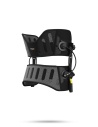
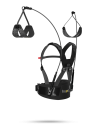
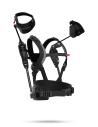
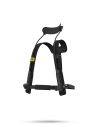
With the Exo-LiFFT principle integrated into Hapo LEA, it is possible to quickly obtain an estimate of the impact of a Hapo exoskeleton on lumbar constraints and to compare different work situations with trunk flexion (with or without load).

This approach also allows for going beyond the simple user feedback. By relying on an objective indicator, companies can more accurately assess the benefits of an exoskeleton, support their decisions, and adapt their prevention actions to the realities of the field.

Contact one of our experts

Our teams are at your disposal to assess your needs and organize real-life tests to allow your employees to experience the benefits of exoskeletons in their work environment.

Contact one of our experts

Our teams are at your disposal to assess your needs and organize real-life tests to allow your employees to experience the benefits of Hapo exoskeletons in their work environment.