news

Exoskeletons: how technology is transforming work, according to EY (Ernst & Young)

news

Exoskeletons: how technology is transforming work, according to EY (Ernst & Young)

In its analysis of the megatrends for 2025, EY (Ernst & Young) highlights a central phenomenon: the rise of an economy where humans and technologies work increasingly closely together, particularly with exoskeletons.

Far from replacing humans, these solutions are intended to support them, reduce their physical constraints, and enhance their safety in demanding environments.

Reduce injuries and improve productivity

EY highlights key figures:

  • Exoskeletons can reduce injuries by 20% to 60% depending on the context of use.
  • They contribute to a 15% to 25% increase in productivity, mainly due to reduced fatigue and stabilization of movements.

A striking example is reported in the EY synthesis:

Ford, after deploying 75 exoskeletons in its factories, observed a 83% reduction in injuries related to repetitive motions and 52% fewer medical visits.

These results show how these technologies are a major lever for prevention and performance in the industry.

Source: EY megatrends 2025

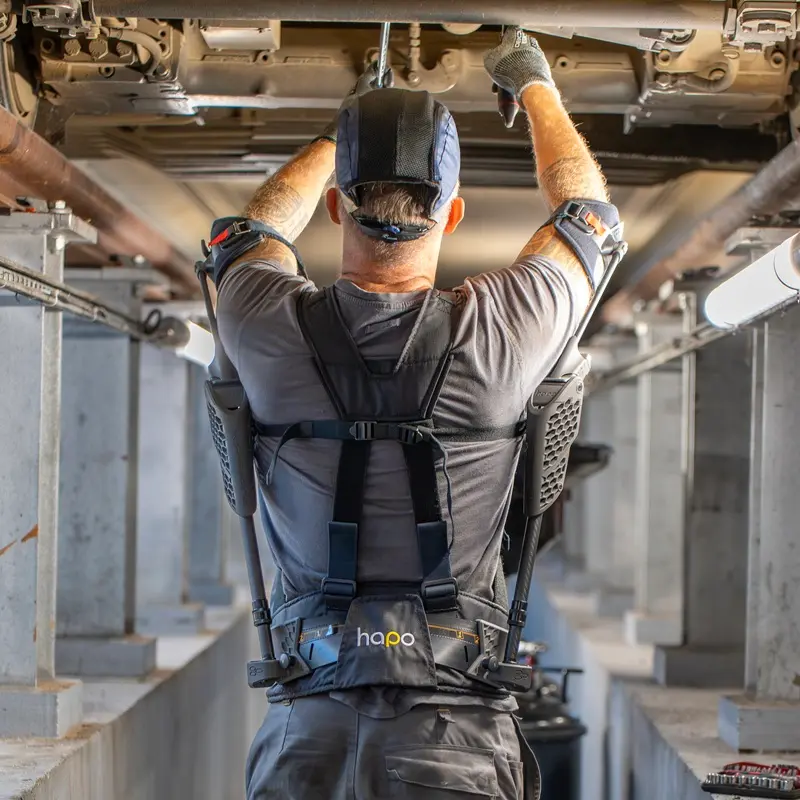
Mechanic standing under a vehicle

A socio-economic context that accelerates their adoption

The EY analysis identifies several structural trends
that promote the integration of physical assistance solutions such as exoskeletons:

LONGER CAREERS

The aging workforce and the extension of professional careers are prompting companies to strengthen prevention. Exoskeletons address this issue by reducing strain.

JOBS
DIFFICULT TO RECRUIT

The labor shortage in certain physical sectors makes it essential to improve working conditions. Exoskeletons help make these positions more attractive and more sustainable.

INCREASING PRESSURE ON HEALTH AND SAFETY

Musculoskeletal disorders remain a major issue for companies. Exoskeletons provide a direct solution by reducing the load on sensitive areas and stabilizing postures.

A rapidly growing market

EY also highlights that the global exoskeleton market continues to grow rapidly, with more than 63,000 units sold by the end of 2025.
(Source: EY megatrends 2025)

This development is driven by:

  • the growing technological maturity,
  • the increased demand from industrial and logistics sectors,
  • the need for concrete solutions to make work safer and more efficient.

This dynamic reflects a profound transformation in the organization of work and how technologies support humans.

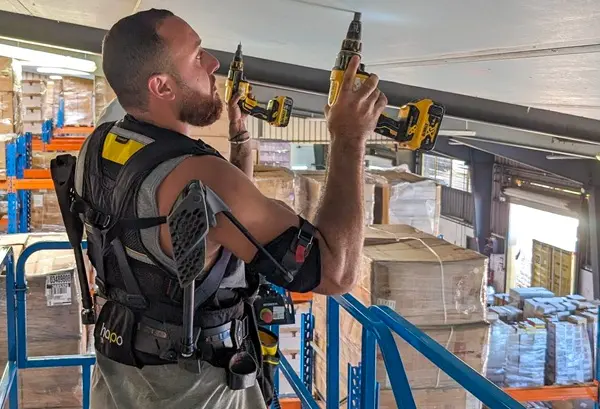
A man is screwing plates onto a ceiling.

HAPO exoskeletons: a concrete solution to support teams

We proudly note that Hapo models represent a significant portion of the 63,000 exoskeletons sold worldwide.

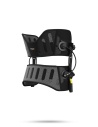
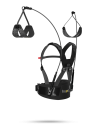
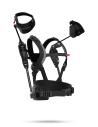
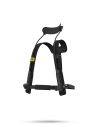
At Hapo, we offer non-motorized exoskeletons that support everyday movements, reduce the strain on muscles and joints, and help prevent body wear at work.

Contact one of our experts

Our teams are at your disposal to assess your needs and organize real-life tests to allow your employees to experience the benefits of exoskeletons in their work environment.

Contact one of our experts

Our teams are at your disposal to assess your needs and organize real-life tests to allow your employees to experience the benefits of Hapo exoskeletons in their work environment.